WhatsApp Image 2026-02-24 at 3.42.27 PM

AI Search Optimization (AEO): The Future of SEO in 2026

Search engine optimization is evolving rapidly. With the rise of AI-powered search engines and generative results, traditional SEO alone is no longer enough. In 2026, AI Search Optimization (AEO) is becoming one of the most important digital marketing strategies.

What Is AI Search Optimization (AEO)?

AI Search Optimization (AEO) is the process of optimizing content so it appears in AI-generated search results, voice search answers, and conversational platforms.

Unlike traditional SEO, which focuses on ranking in search engine results pages (SERPs), AEO focuses on:

  • Featured snippets
  • AI overview results
  • Voice search answers
  • Conversational AI responses
  • Zero-click searches

Why AEO Is Trending in 2026

1. AI Is Changing Search Behavior

Search engines now use AI to summarize answers directly on the results page. Users often get answers without clicking websites.

2. Increase in Voice Search

Smart devices and voice assistants are widely used. People search using natural language instead of keywords.

3. Zero-Click Searches Are Growing

Many users find information directly in search results without visiting a website. Optimizing for visibility is now more important than just traffic.


Key Strategies for AI Search Optimization

1. Write Conversational Content

Use natural language and answer questions clearly. Think about how people speak, not just how they type.

Example:
Instead of writing:
“Best SEO tools 2026”

Write:
“What are the best SEO tools to use in 2026?”


2. Focus on Question-Based Keywords

Use tools to find questions people ask. Add sections like:

  • What is…?
  • How to…?
  • Why does…?
  • Best ways to…?

3. Optimize for Featured Snippets

To appear in snippets:

  • Use clear headings
  • Add bullet points
  • Keep answers short and direct
  • Include definitions

4. Improve E-E-A-T

Search engines value:

  • Experience
  • Expertise
  • Authoritativeness
  • Trustworthiness

Build credibility by:

  • Adding author information
  • Using reliable sources
  • Updating content regularly

5. Use Structured Data (Schema Markup)

Structured data helps search engines understand your content better. It increases chances of appearing in rich results.

Common schema types:

  • FAQ schema
  • Article schema
  • Product schema
  • Review schema

SEO Trends to Watch in 2026

Here are other important trends:

🔹 AI-Generated Content Optimization

Content must be high-quality and human-edited to rank well.

🔹 Video SEO Growth

Short-form videos are dominating search results.

🔹 Mobile-First Indexing

Websites must load fast and be mobile-friendly.

🔹 Core Web Vitals

User experience signals are still very important.


How Businesses Can Prepare

To stay competitive:

  1. Update old content
  2. Add FAQ sections
  3. Improve website speed
  4. Focus on user intent
  5. Create high-value content
  6. Track analytics regularly

Conclusion

SEO is not dead — it is evolving. In 2026, success depends on understanding AI-driven search and optimizing for user intent.

Businesses that adapt to AI Search Optimization (AEO) will gain better visibility, authority, and long-term traffic.

Start optimizing today to stay ahead of competitors.
WhatsApp Image 2026-02-24 at 3.42.35 PM

10 Proven Social Media Marketing Strategies to Grow Your Brand Fast

In today’s competitive digital landscape, social media marketing is one of the most powerful tools for business growth. With billions of active users across platforms, brands have unlimited opportunities to connect with potential customers. However, success doesn’t happen by accident. It requires strategy, consistency, and smart execution.

Here are 10 proven social media marketing strategies that can help you grow your brand fast and effectively.


1. Define Clear and Measurable Goals

Before posting content, determine what you want to achieve. Are you aiming to increase brand awareness, generate leads, drive website traffic, or boost sales? Setting SMART (Specific, Measurable, Achievable, Relevant, Time-bound) goals ensures your strategy stays focused and results-driven.


2. Know Your Target Audience

Understanding your audience is critical. Identify their age, interests, online behavior, and pain points. When you know who you’re speaking to, you can create content that resonates and drives engagement.

The more personalized your messaging, the stronger your connection will be.


3. Choose the Right Platforms

Not every social media platform fits every business. For example:

  • Instagram and TikTok work well for visual brands.
  • LinkedIn is ideal for B2B marketing.
  • Facebook is strong for community building and ads.

Focus on platforms where your audience spends the most time instead of trying to manage all channels at once.


4. Create High-Quality, Valuable Content

Content is the heart of social media marketing. Your posts should educate, entertain, inspire, or solve problems. High-quality visuals, engaging videos, infographics, and carousels tend to perform better than plain text posts.

Short-form video content is especially powerful for boosting engagement and reach.


5. Post Consistently

Consistency builds trust and visibility. Create a content calendar to maintain a steady posting schedule. Whether you post three times a week or daily, regular activity signals reliability to both your audience and platform algorithms.

Inconsistent posting often leads to reduced reach and engagement.


6. Engage With Your Audience

Social media is about conversation, not broadcasting. Respond to comments, reply to direct messages, and interact with followers’ posts. Engagement builds relationships and increases loyalty.

The more you engage, the more visibility your content receives.


7. Use Analytics to Improve Performance

Track metrics such as engagement rate, reach, impressions, click-through rate, and conversions. Social media analytics provide valuable insights into what works and what doesn’t.

Data-driven decisions help refine your strategy and maximize results over time.


8. Leverage Influencer Marketing

Partnering with influencers can quickly expand your reach. Micro-influencers often provide higher engagement rates and feel more authentic to their followers.

Choose influencers whose audience aligns with your brand values and target market.


9. Run Contests and Giveaways

Contests and giveaways are excellent for increasing engagement and attracting new followers. Encourage users to like, comment, tag friends, or share your post to participate.

Make sure the prize relates to your brand to attract high-quality, relevant followers.


10. Invest in Paid Advertising

Organic reach continues to decline on many platforms. Paid social media advertising allows you to target specific demographics, interests, and behaviors.

Even a small advertising budget can significantly increase visibility, drive traffic, and boost conversions when optimized properly.


Final Thoughts

Growing your brand on social media requires more than just posting regularly. It demands a clear strategy, audience understanding, consistent engagement, and continuous optimization.

By implementing these 10 proven social media marketing strategies, you can strengthen your online presence, build lasting relationships, and accelerate business growth.

Start applying these tactics today, and watch your brand visibility, engagement, and revenue grow faster than ever.

WhatsApp Image 2026-02-24 at 3.42.41 PM

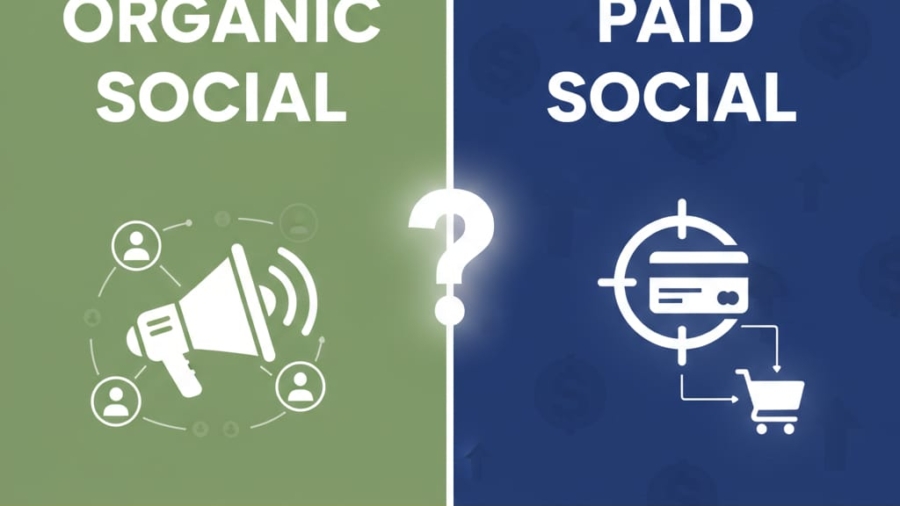
Organic vs Paid Social Media Marketing: Which Strategy Delivers Better ROI?

In today’s competitive digital landscape, businesses constantly ask one important question: Should we focus on organic social media marketing or invest in paid advertising? The answer isn’t always simple. Both strategies offer unique advantages, and understanding their differences is key to maximizing your return on investment (ROI).

Let’s break down organic vs paid social media marketing and determine which strategy delivers better results for your brand.


What Is Organic Social Media Marketing?

Organic social media marketing refers to free content shared on your social platforms to build relationships, increase brand awareness, and engage your audience. This includes regular posts, stories, reels, comments, and community interaction.

Benefits of Organic Social Media

1. Builds Trust and Credibility
Organic content allows brands to show authenticity. When businesses consistently provide value, followers develop trust and loyalty.

2. Cost-Effective
There’s no direct cost to publish organic posts, making it ideal for startups and small businesses with limited budgets.

3. Long-Term Brand Growth
Strong community engagement leads to sustainable growth over time.

Challenges of Organic Marketing

  • Limited reach due to algorithm restrictions
  • Slower growth compared to paid campaigns
  • Requires consistent content creation

Organic marketing is powerful for brand building, but results often take time.


What Is Paid Social Media Marketing?

Paid social media marketing involves investing money in advertisements to reach a targeted audience. Platforms allow businesses to run sponsored posts, video ads, carousel ads, and more.

Benefits of Paid Social Media

1. Immediate Visibility
Unlike organic posts, paid ads instantly reach thousands (or even millions) of users.

2. Advanced Targeting Options
You can target users based on age, location, interests, behavior, and more. This precision increases conversion potential.

3. Measurable and Scalable
Paid campaigns provide detailed analytics. You can adjust budgets, audiences, and creatives to improve performance.

Challenges of Paid Marketing

  • Requires a consistent budget
  • Poorly optimized ads can waste money
  • Stops delivering once you stop spending

Paid marketing is excellent for short-term goals like product launches, promotions, and lead generation.


Comparing ROI: Organic vs Paid

When evaluating ROI, consider your business goals.

Short-Term ROI

Paid social media usually delivers faster results. If your goal is immediate sales, traffic, or lead generation, paid campaigns often outperform organic efforts in the short term.

Long-Term ROI

Organic marketing provides better long-term value. A loyal audience continues to engage with your brand without ongoing ad spend. Over time, the cost per result decreases significantly.

Cost Perspective

Organic marketing requires time and creativity. Paid marketing requires financial investment. The real ROI depends on how efficiently you use your resources.


When Should You Choose Organic Marketing?

Choose organic social media marketing if:

  • You’re building brand awareness
  • You want to nurture long-term relationships
  • You have limited advertising budget
  • Your focus is community growth

Organic marketing is ideal for developing brand identity and customer trust.


When Should You Choose Paid Marketing?

Choose paid social media marketing if:

  • You need quick results
  • You’re launching a product or service
  • You want highly targeted campaigns
  • You’re scaling an established brand

Paid ads are powerful for accelerating growth.


The Best Strategy: Combine Both

The most successful brands don’t choose one over the other — they combine both strategies.

Organic content builds credibility and engagement, while paid campaigns amplify reach and conversions. For example, you can boost high-performing organic posts with paid ads to maximize results.

This hybrid approach ensures steady long-term growth while generating immediate returns.


Final Verdict

So, which strategy delivers better ROI?

If you’re looking for fast, measurable results, paid social media marketing may deliver stronger short-term ROI. However, for sustainable growth and brand loyalty, organic marketing provides unmatched long-term value.

The smartest approach is integration. Use organic strategies to build trust and paid campaigns to scale strategically.

When done correctly, both methods work together to create a powerful, profitable social media marketing system.